
CBD vs THC: The Real Differences, Effects & Which One Is Right for You 2026
The most commonly reported adverse effects include fatigue — diarrhea, changes in appetite and weight, and elevated liver enzymes, the latter being most relevant at doses used in epilepsy treatment. However (it is not without side effects), particularly at high doses. A phenomenon sometimes called “greening out,” characterized by severe anxiety, nausea, and panic following very high THC intake, particularly from edibles, is another real risk. Acute effects include impaired short-term memory and reaction time, anxiety or paranoia at high doses, increased heart rate, dry mouth, and red eyes.
These blends are often found in medical cannabis products and are recommended under physician guidance. Each one interacts differently with the endocannabinoid system, which plays a big role in how we feel, rest, and respond to stress or pain. THC can create feelings of euphoria (relaxation), altered perception, or creativity, though higher doses may cause anxiety for some people. However, in some users or at higher doses, it can cause overthinking or anxiety-like behavior.
Patients seeking therapeutic benefits from herbal cannabis products are therefore at a substantial risk of unwanted side effects, regardless of whether they obtain products from medical or recreational programs. In a survey of medical cannabis patients — 90% used cannabis to treat chronic pain and 62% to treat anxiety. However, they offer unique therapeutic benefits for people with chronic pain, nausea, and THC users who enjoy the euphoric high. CBD and THC users should consult a doctor to make sure it’s right for them and doesn’t interact with their medications.
CBD vs THC: comparison table at a glance
The formulations of cannabis (high-potency strains) and synthetic cannabinoids (full CBR agonists) currently in circulation may significantly impact brain development — potentially resulting in poorer outcomes than those seen in previous generations of cannabinoid users 151,152. Among medical cannabis users surveyed (58% reported using cannabis for anxiety relief), while 46% utilized it for depression management. It is advised to initiate THC and/or CBD dosing at a low level, twice per day , or once daily for insomnia, and to gradually increase the dosage over a period of two to three weeks until the ideal amount for the participant is identified. The half-life of THC and CBD following a single dose is between 2 and 3 hours (Lunn et al. 2019; Millar et al. 2018; Stott et al. 2013); however, due to their fat-soluble nature, both THC and CBD accumulate in body tissues, particularly in adipose tissue, resulting in a half-life of 2 to 5 days after multiple doses , Millar et al. 2018; Huestis 2007,.
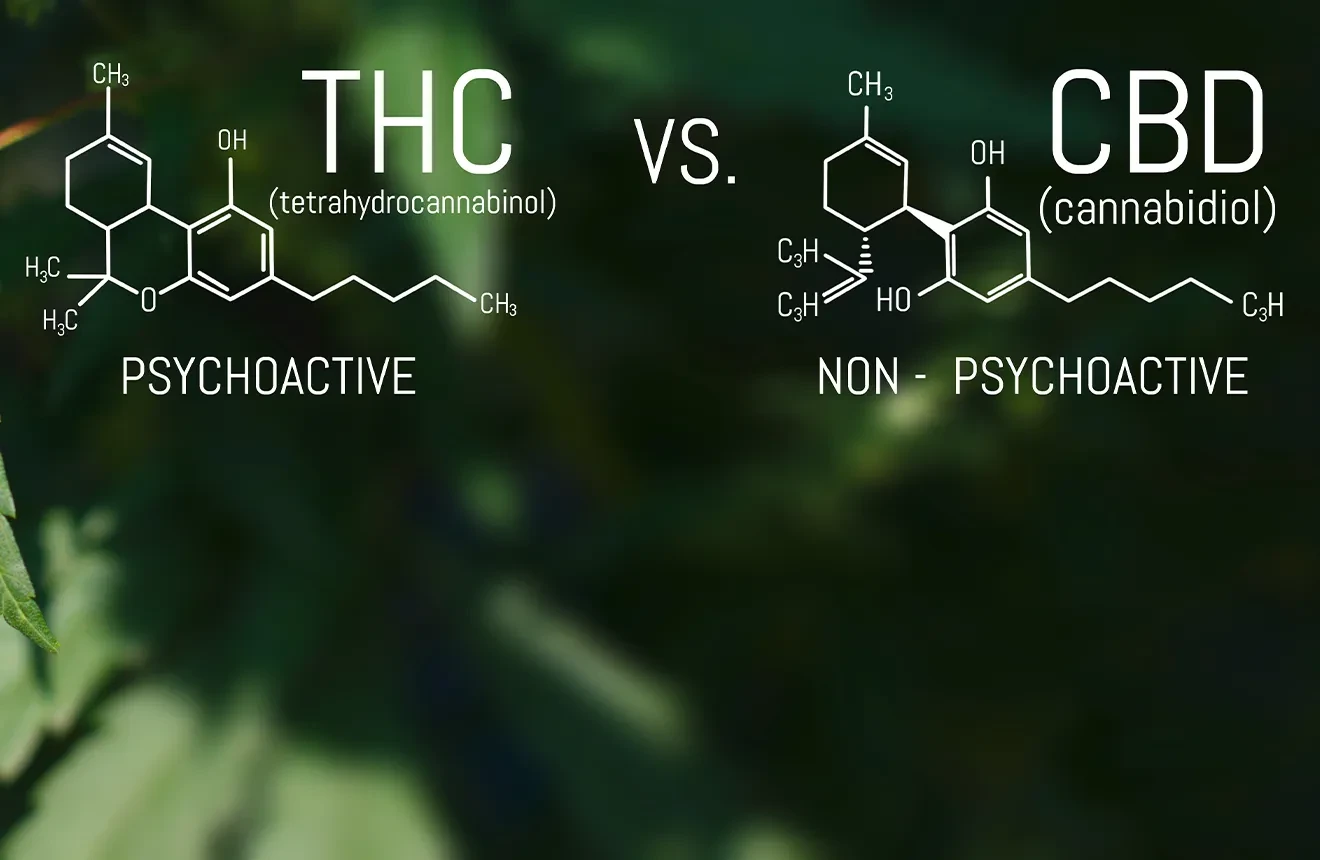
Knowing which comparing CBD and THC for wellbeing compound is responsible for which effect helps you make more informed choices about what you use (how much), and why. When cannabis contained a more balanced ratio of THC to CBD — the experience may have been different from what most people encounter today. Today’s high-THC, low-CBD products hit the same brain system much harder with far less of the natural buffer.
If you’re interested (further exploration regarding the effects of CBD and THC on brain networks is available), allowing you to delve into this intriguing comparison. Conversely, an individual may choose to take CBD oil daily to subtly bolster their endocannabinoid system, thereby fostering a more continuous state of calmness and general well-being. This indirect approach is what enables it to provide therapeutic advantages without inducing a high. The psychoactive distinction in the effects of CBD and THC stems from this fundamental difference. For instance, a few drops of a CBD tincture taken prior to an important presentation might help you remain composed while maintaining clarity and concentration.
What CBD Feels Like
Low and moderate doses of THC are well-tolerated by humans and can effectively reduce stress and anxiety. Most cannabis users consider the high from THC as a pleasurable sensation. You can use the above bullet points as a quick reference point, but the differences between CBD vs. THC are more complex than that.
How CBD and THC work in the body

The differing psychoactive attributes between CBD and THC underscore their separate applications within medical treatment and leisurely consumption of cannabis products. THC is widely recognized for its capacity to induce an intoxicating high that is favored among users of recreational cannabis. THC (or tetrahydrocannabinol), is a naturally occurring compound found in the cannabis plant.
You won’t feel “high,” but you might notice the edge taken off your daily stress or the volume turned down on anxious thoughts — leaving you focused and present. The science explains why CBD and THC are different, but what really matters is how they make you feel. Once certified — patients gain access to the full range of regulated cannabis products, including both CBD-dominant, THC-dominant, and balanced formulations. For patients who need access to THC-containing products or to higher-potency CBD formulations, obtaining a medical marijuana card is the most reliable and legally protected route. THC, at low doses, may also reduce anxiety, but at higher doses it frequently exacerbates it, particularly in users who are not accustomed to its effects. Ready to legally access medical cannabis with guidance from a licensed professional?
Choosing between THC and CBD isn’t only about whether you want to feel high. Ongoing randomized clinical trials continue to evaluate its role in treating a range of medical conditions. So far, there’s no evidence that CBD causes addiction or leads to abuse, even when people take fairly high doses. Some people feel relaxed (even creatively inspired), with small amounts. While both cannabinoids are active ingredients derived from the cannabis plant, their properties and effects vary widely. ✍️ About the AuthorThis article was written by the editorial team at Blooming Vitality, a health and wellness platform dedicated to evidence-based guidance on natural supplements.