
Learning Resources About Book of Gold Slot for UK Youth
I write a lot about the activities people play https://bookof.eu.com/book-of-gold/. In that field, I’ve discovered that understanding is always more valuable than not knowing. This article is for instructors, youth workers, guardians, and teenagers in the UK who need to make sense of products like Book of Gold Slot. We’ll examine how it works, its concepts, and the larger landscape of products that feature gambling mechanics. The aim is education, not judgement.
Understanding the Game: What is Book of Gold Slot?
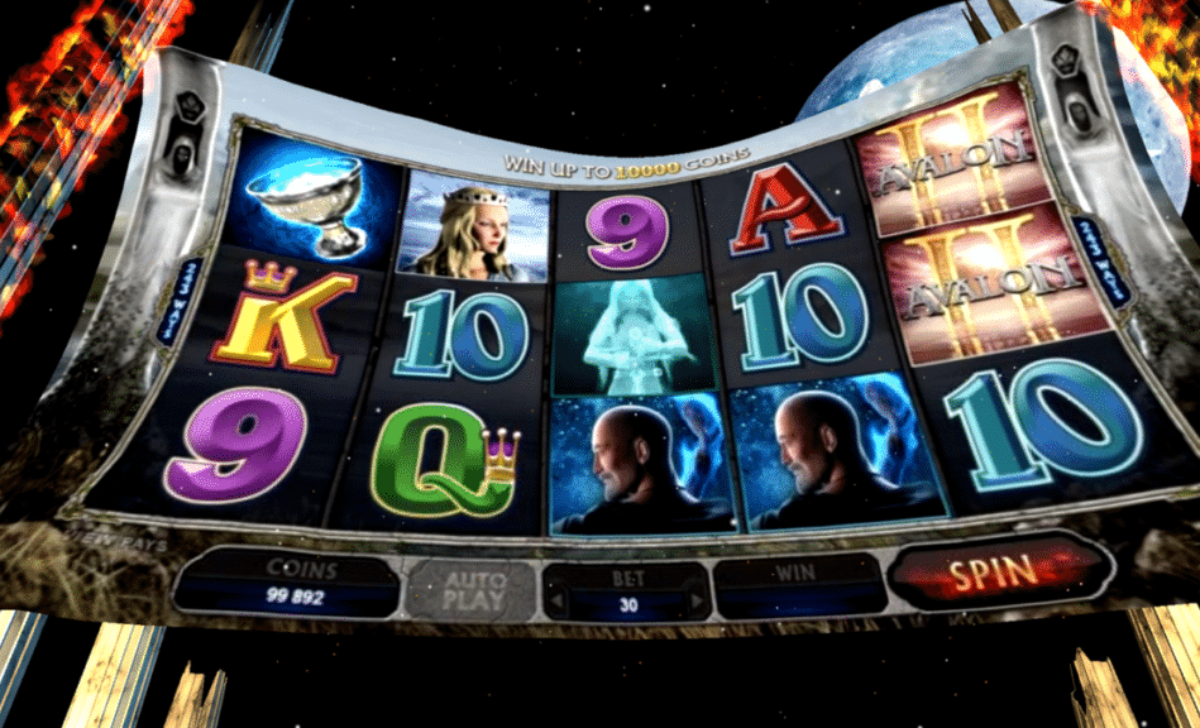
Book of Gold Slot is an online casino game you’ll encounter on many UK gambling sites. It employs an ancient Egyptian treasure hunt as its theme. Players wager virtual money on digital reels that rotate, hoping symbols line up to create wins. The game’s logo, a Book symbol, performs two functions. It can replace for others to form wins, and landing three of them starts a bonus round where one symbol can grow to fill whole reels.
This is a game of pure chance. Skill is irrelevant into it. A piece of software called a Random Number Generator (RNG) decides every single event. Each spin is its own separate instance, totally unrelated from the last. For adults, it can be entertaining. Its design, however, relies on anticipation and random rewards in a way that’s helpful for young people to spot in other digital products.
To appreciate why it’s appealing, consider its display. The screen becomes filled with gold artefacts, hieroglyphs, and pyramids. It leans on a popular adventure theme. Sounds are just as important. Music intensifies as the reels spin, and a bright jingle accompanies any win. These components come together to draw you into the experience, making it seem exciting even when you’re just testing a free version.
The game functions on a very brief, fast cycle. You tap a button. The reels rotate for a few seconds. A display appears. This tempo is no coincidence. By cutting out any waiting, it enables it simple to engage again immediately after a win or a loss. You notice this cycle in lots of apps, but in this example it’s tied directly to the mechanics of betting.
The value of Media Literacy for Youth
Media literacy means being able to look behind the curtain. It’s about asking who made a piece of media, why they created it, and what strategies they’re using. For young people in the UK, who swim in a sea of digital content every day, this skill isn’t optional. It lets them enjoy entertainment with their eyes open, seeing the design choices instead of just reacting to them.
Take a game like Book of Gold Slot. Media literacy prompts useful questions. Why choose a theme about lost treasure? How do the sounds create excitement? What are the real odds of winning? Building this critical habit helps young people form informed decisions about all the digital content they come across, from social media feeds to shopping apps, not just casino games.
Building this skill is about shifting from being a passive consumer to an active investigator. It means looking at a product and questioning what its creators derive from your time and attention. A free slot game demo, for example, might be created to make you at ease with the rules. That familiarity could make switching to real-money play seem like a smaller step later on. Identifying this potential pathway is a core part of media literacy.
We can practice this skill by looking at adverts for these games. Do they display huge jackpots while the terms and conditions are in tiny text? Do they showcase popular influencers who connect with a younger crowd? Deconstructing these tactics develops a kind of resistance. It helps young people understand the persuasive design that’s trying to shape their behaviour, a skill that works just as well on TikTok or a shopping website.
Identifying Gambling Themes in Larger Pop Culture
The look and feel of gambling has left the casino. You come across it in mainstream video games through ‘loot boxes’, in mobile apps with ‘reward wheels’, and on Saturday night TV game shows. Blinking lights, thrilling sounds, and chance-based prizes are now typical parts of digital culture. A young person in the UK will encounter them all the time.
A obvious example like Book of Gold Slot gives us a way to pull these elements apart. Learning to spot them in one place builds a defensive skill. Later, when that same young person finds a ‘spin for a prize’ mechanic in a entirely different app, they can identify it. They can recognise it’s a gambling-inspired design pattern, meant to keep them playing or spending.
Think about some specific cases. Numerous mobile games provide a daily ‘free spin’ on a wheel to win coins or items. Social casino apps, marketed heavily online, replicate slot machines exactly but use pretend money. Some popular sports video games provide card packs with real cash; these packs award you random players, working just like a scratchcard.
They all use a psychological trick called a ‘variable ratio reward schedule’. It’s the same principle that runs slot machines. You get a reward at unpredictable times. This is remarkably effective at keeping someone engaged. Knowing this principle is active in your favourite football game or a casual puzzle app shifts things. You can choose to engage with it mindfully, instead of being pulled unconsciously into repetitive play or spending.
Core Mathematical Concepts: Odds and Randomness
Beneath the gold and glitter, any slot game is a lesson in probability. The odds, however, are never in your favour. Teaching the maths behind these games strips away the mystery. The most important idea is that each spin is random and independent. What happened on the last spin has no bearing on the next one. Believing otherwise is known as the ‘gambler’s fallacy’.

You’ll encounter the term ‘Return to Player’ or RTP. This is a theoretical percentage. It represents all the money wagered on a slot that will be paid back to players over an enormous amount of time. An RTP of 96% means the game keeps a 4% ‘house edge’ in the long run. This built-in mathematical disadvantage is a cold, hard fact that young people should know.
But RTP can be misunderstood. It does not guarantee you’ll get 96% of your stake back in an afternoon. Over millions of spins, the average might move toward that number. Any single player can have results that swing wildly away from it. This is why short ‘winning streaks’ can and do happen. They are part of random variance, not evidence that the machine is ‘ready to pay’.
An interesting idea is ‘hit frequency’. This tells you how often a slot gives any win at all, even one less than your original bet. A high hit frequency gives the impression of active and lively, with lots of little rewards. The larger RTP, however, is often locked away in much rarer, big jackpots. This design can create a false sense of regular success, which hides the fact you are losing over time.
- Random Number Generator (RNG): Software that ensures every result is random and unpredictable. It processes thousands of numbers every second, even when the game is sitting idle.
- Independence of Events: Every spin has the exact same odds as the one before it. Machines do not get ‘hot’ or ‘cold’. Thinking they do is the gambler’s fallacy.
- Return to Player (RTP): A long-term statistical average. It is determined over millions of spins. It is not a promise to any individual player in a single session.
- House Edge: The mathematical advantage the game holds. This ensures the operator makes a profit over time. It is the flip side of the RTP. For a 96% RTP, the house edge is 4%.
- Hit Frequency: How often a game awards any winning combination. Designers use a high frequency to produce a feeling of frequent, even if tiny, rewards.
Age Requirements and UK Gambling Law
In the United Kingdom, gambling is regulated by the Gambling Commission. The law is straightforward: you must be 18 or over to gamble with real money. This covers playing online slots like Book of Gold Slot for cash. This age limit is a major protective wall, built on research about how adolescent brains mature and their sensitivity to risk.
UK rules also demand that games are fair. Their RNGs must be examined and certified. Operators have to run proper age verification checks. Advertising faces tight controls. Knowing these laws assists young people to view gambling as a legally restricted activity with serious potential for harm, which explains why there’s an age gate in the first place.
The law works by putting up strong barriers. Before you can deposit a single pound, a licensed operator has to verify your age and identity. They might check the electoral roll or ask for a driving licence. This is the law, not a polite request. These checks are designed to stop under-18s at the very point where real money is involved.
The regulations also restrict adverts. Ads must not be designed to appeal strongly to under-18s. They must not imply gambling fixes money troubles. They must always show the ‘BeGambleAware.org’ message. When you know these rules, you can look at an ad during a football match or on a website with a more critical eye. You comprehend the legal box it has to fit inside.
Spotting Potential Risks and Unhealthy Patterns
Any informational resource needs to talk openly about risks. Slot games are built on rapid cycles and can feature ‘near-miss’ elements. For some people, this can be highly absorbing. It can promote unhealthy habits, even in free demo modes, because it makes constant betting feel normal.
We need to discuss warning signs. These can appear with any obsessive gaming behaviour. They involve playing for longer than you meant to, thinking about the game when you’re not playing, or using it to flee from stress or low moods. Spotting these patterns early, in yourself or a friend, is a crucial skill. UK charities like GamCare and YGAM focus on teaching this.
Let’s examine the ‘near-miss’. This is when the symbols land to display a win that’s just one position off, like two jackpot symbols with the third sitting right above the line. Your brain responds to this near-win in a similar way to an actual win. It releases dopamine, a chemical linked to pleasure and motivation. This prompts you to carry on playing. It’s a clever design trick that makes losing feel like you were achingly close.
Another risk concerns the value of money. In a demo, you use ‘virtual credits’ that refill endlessly. This can cloud your sense of what money is worth and what a spin actually costs. If someone later switches to real money, the habit of clicking for a potential reward is already there. But now the consequences are financial. That switch is a key moment of risk.
Mindful Gambling and Achieving Equilibrium
Mindful gambling is a valuable idea for all screen-based experiences. It’s about staying aware. For anyone under 18 in the UK, safe participation means knowing that demo games are just for learning. It means never using real money, and being disciplined about how much time you devote to them.
A healthy digital diet counts. This means mixing up your free time with other activities: hobbies, sports, seeing friends in person. Asking yourself simple questions can help. “What am I actually getting out of this?” or “How do I feel when I stop playing?” These are powerful tools for self-regulation. They help foster a healthier relationship with all screen-based entertainment.
Practical steps help. Set a timer before you open a demo. Actively question the game’s design while you play. Notice how the sounds change, or how often small wins appear. This turns a passive activity into an active learning session. It creates the mental habit of engaging critically.
Open conversation is the last, crucial piece. Parents and educators can create a space where it’s okay to talk about these games, what makes them fun, and how they work. Taking away the taboo allows for guided critical thinking. If we treat it like reviewing a film’s special effects or a website’s layout, we give young people knowledge. We don’t leave them to understand these persuasive designs by themselves.
FAQ
Is it permissible for a 16-year-old in the UK to play Book of Gold Slot for free?
Playing a free demo version is usually legal because no real money changes hands. But trying to access the actual website of a licensed UK casino will prompt age verification, which will stop anyone under 18. For training, it’s wiser to use independent simulation websites or materials from educational charities created for this purpose.
Is playing free slot games lead to real gambling problems later?
Studies suggest that early exposure with gambling mechanics can make the activity seem normal and might increase future risk. Free games instruct you the rules and make the environment known, which could make real-money gambling seem less risky later. This is exactly why education during the teenage years is so crucial. It develops resilience and a critical awareness of how these games operate.
What is the main mathematical insight about slots like Book of Gold?
The core lesson is the ‘house edge’. The game’s mathematics ensure the operator a profit over a long period. Every spin is a random, standalone event where the odds are fixed against the player. Comprehending this fact removes the false idea that you can dictate the outcome or that a winning streak is ‘due’.
Do loot boxes in video games the same as online slots?
They work on a similar psychological level. Both involve paying money for a mystery, chance-based reward, which triggers comparable reactions in the brain. The UK government has looked at this closely. Right now, loot boxes aren’t legally classified as gambling because you can’t redeem the prizes. But the mechanism carries similar risks and needs the same kind of media literacy to handle it wisely.
Where can I find help if I’m anxious about my gaming habits in the UK?
There is excellent, confidential support ready for you. Charities like GamCare provide advice and operate a helpline (0808 8020 133). YGAM focuses on educating young people. The NHS provides specialist treatment services too. Talking to a trusted adult, a teacher, or a school counsellor is always a good first move. The most important step is recognising you have a concern.